
Seasons · 7 min read
The best time to visit Europe
There is no single best time to visit Europe. The right dates depend on the experience you want, the city you choose and how much flexibility you have. A shoulder-season trip can be calmer and better value, while a summer journey may be worth it for long days and outdoor events.
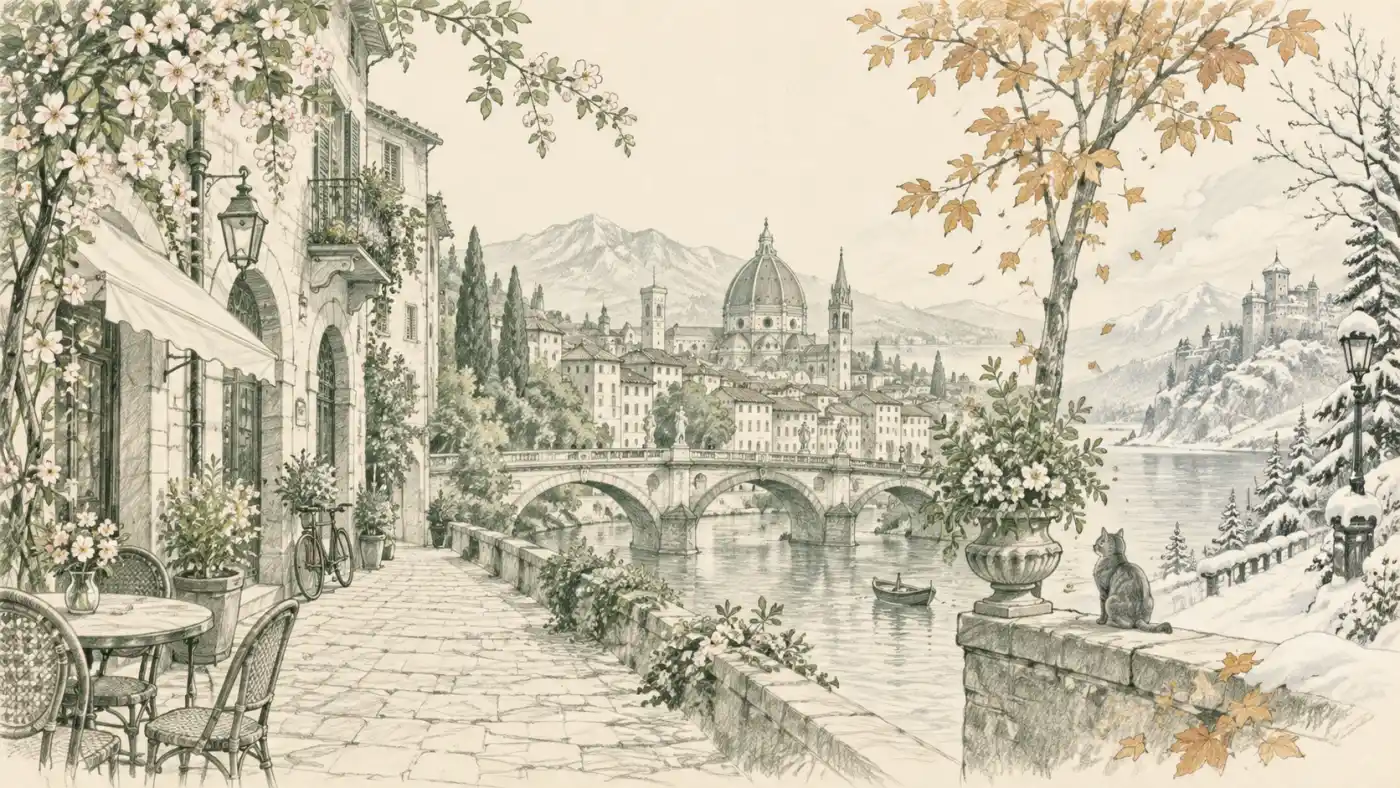
Match the season to the kind of trip
Spring is useful for walking, gardens and a generally lighter feel before the main summer rush. Summer offers long daylight hours and a broad events calendar, but popular cities can be busy and warm.
Autumn often works well for museums, food and neighbourhood walks. Winter can be appealing for markets, concerts and shorter breaks, although daylight and weather may limit outdoor plans.
Use flexible dates intelligently
Look at a route calendar or recent fare signals to identify dates worth checking. These are observations, not guarantees, so compare the final fare, baggage and schedule before booking.
Moving a trip by one or two days can sometimes change the price more than changing the month. Also compare nearby airports when the city has more than one arrival option.
Plan for the trade-offs
- High season usually brings stronger demand, longer daylight and more events.
- Shoulder season can balance moderate weather with smaller crowds.
- Winter trips need more attention to daylight, closures and weather disruptions.
- Large festivals can change accommodation prices and transport demand.
- The best date is the one that fits both the city experience and your practical budget.
Spring for walking and changing landscapes

Spring is a strong choice when the main goal is to walk, visit gardens and spend time in neighbourhoods before the busiest part of the year. Days become longer, but conditions can change quickly, so a flexible layer and a plan for rain are more useful than packing only for warm afternoons. Southern cities may feel summery earlier than northern destinations.
The season can also be uneven around school holidays and public events. A city that feels calm in one week may become busy in the next, and popular gardens or museums can still require timed entry. Check the local calendar before choosing dates, especially if the trip is built around a festival, a sporting event or a famous seasonal display.
Summer for long days and a full programme
Summer gives travellers more daylight for outdoor plans, late dinners and regional day trips. It is particularly helpful when a city is best experienced on foot or when the itinerary includes beaches, lakes, mountains or open-air events. The trade-off is demand: accommodation, transport and major attractions can become expensive well before the departure date.
Heat changes the way a day works. Put the most exposed walking earlier or later, reserve a cooler indoor activity for the middle of the day and check whether accommodation has air conditioning or another way to manage warm nights. When comparing fares, include the cost of a convenient arrival time because an apparently cheap flight can produce a difficult transfer after a long hot day.
Autumn for food, museums and slower days
Autumn often suits travellers who want a balance between city life and manageable crowds. Museums, cafés, markets and historic neighbourhoods remain attractive when the weather is changeable, and the lower angle of light can make familiar streets feel different. Early autumn may still be warm in the south, while northern cities can become noticeably cooler and wetter.
Build a plan with both indoor and outdoor options instead of betting the whole trip on one forecast. A market visit, gallery reservation or food tour gives the day structure when rain arrives, while a flexible afternoon leaves room for a park or viewpoint if the weather improves. Comfortable waterproof shoes can matter more than an extra smart outfit.
Winter for focused city breaks
Winter can be excellent for short trips built around markets, concerts, exhibitions, restaurants and seasonal atmosphere. Fewer daylight hours encourage a more deliberate itinerary, and a compact city centre can feel easier to explore when outdoor attractions are quieter. The experience varies greatly between northern and southern Europe, so compare daylight, average temperatures and local opening patterns rather than treating winter as one season everywhere.
Check closures and reduced hours before booking a tightly packed plan. Some attractions operate on a winter timetable, while seasonal events can close earlier than expected or require advance tickets. Leave room for transport disruption and choose accommodation with a practical late-arrival plan if your flight or train is affected by weather.
Use shoulder season with realistic expectations
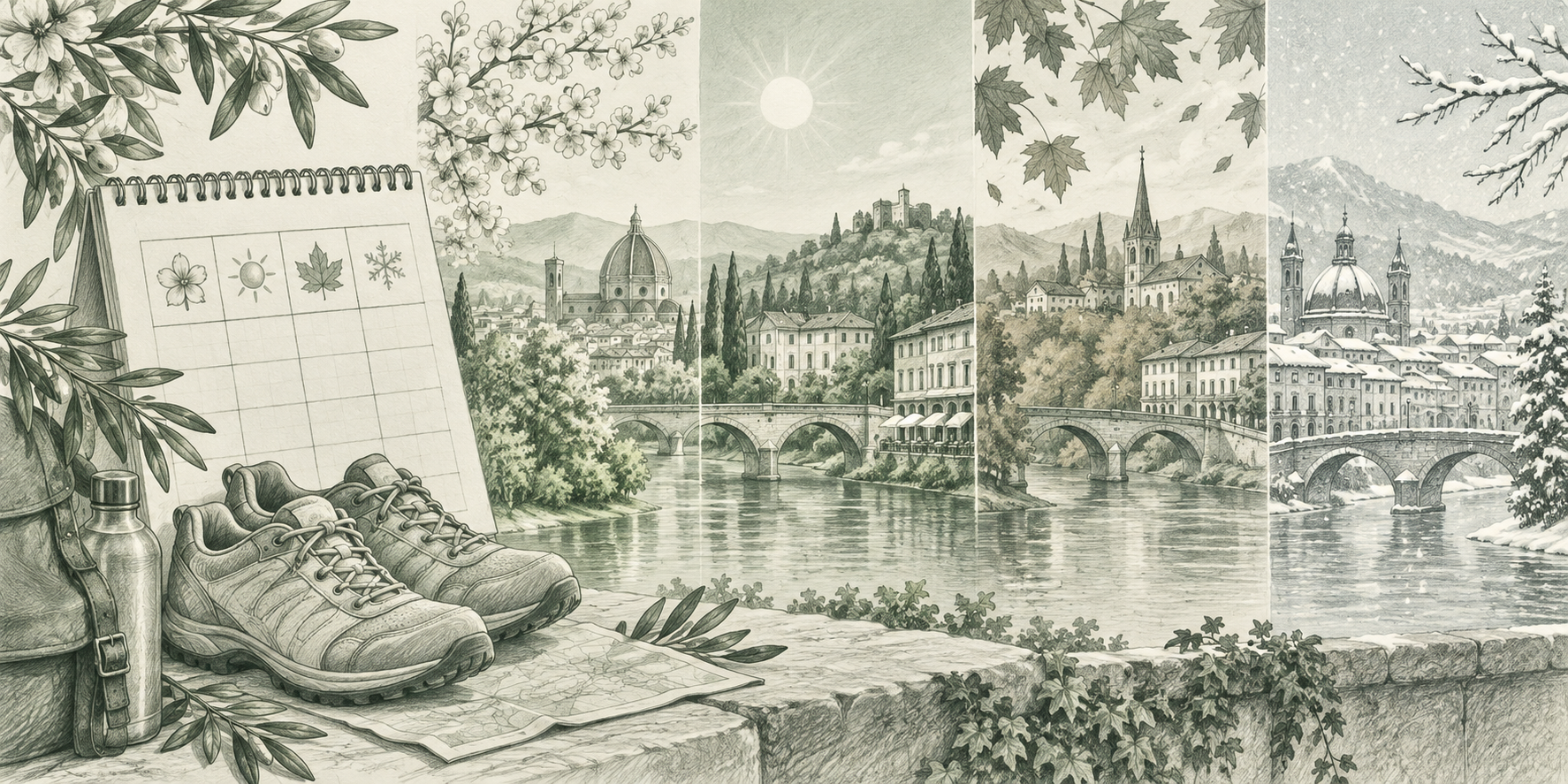
Shoulder season is not automatically warm, empty or cheap. Its value comes from flexibility: travellers may find a good balance of prices, availability and comfortable sightseeing, but conditions can move in either direction. Look at recent weather patterns, event dates and the opening schedule of the specific places you want to visit.
Compare more than one departure date. Moving a trip by a day or two may change the fare and accommodation price without changing the experience. Nearby airports can also create a false saving if the transfer takes longer or runs less often outside the main season. A useful comparison measures the full journey and the time available in the city.
Build a seasonal booking strategy
Start with the experience, then choose the date range. If the priority is a festival, school holiday or a specific exhibition, availability matters more than finding the quietest week. If the priority is value and relaxed sightseeing, begin with several flexible weeks and compare the route signals, hotel prices and transport options together.
Use fare data as a prompt to investigate, not as a promise. A recently observed price can disappear, and a low ticket may have an inconvenient schedule or restrictive baggage terms. Record the conditions beside the price so that a later comparison remains fair. The best seasonal decision is the one where weather, crowd level, budget and personal energy point in the same direction.
More travel notes
Continue planning with another practical guide.

Compare airport access, route choice, baggage rules and arrival time before choosing the cheapest-looking flight.
Read guide
Compare the practical differences between flying and taking the train, from departure access to arrival in central Paris.
Read guide
A practical packing system for short European trips, with less luggage and fewer airport surprises.
Read guide