
Before you travel · 6 min read
Packing light for European city breaks
A short city break is easier when your bag matches the trip. The goal is not to pack as little as possible, but to avoid paying for space you will not use and carrying items that make transfers harder.
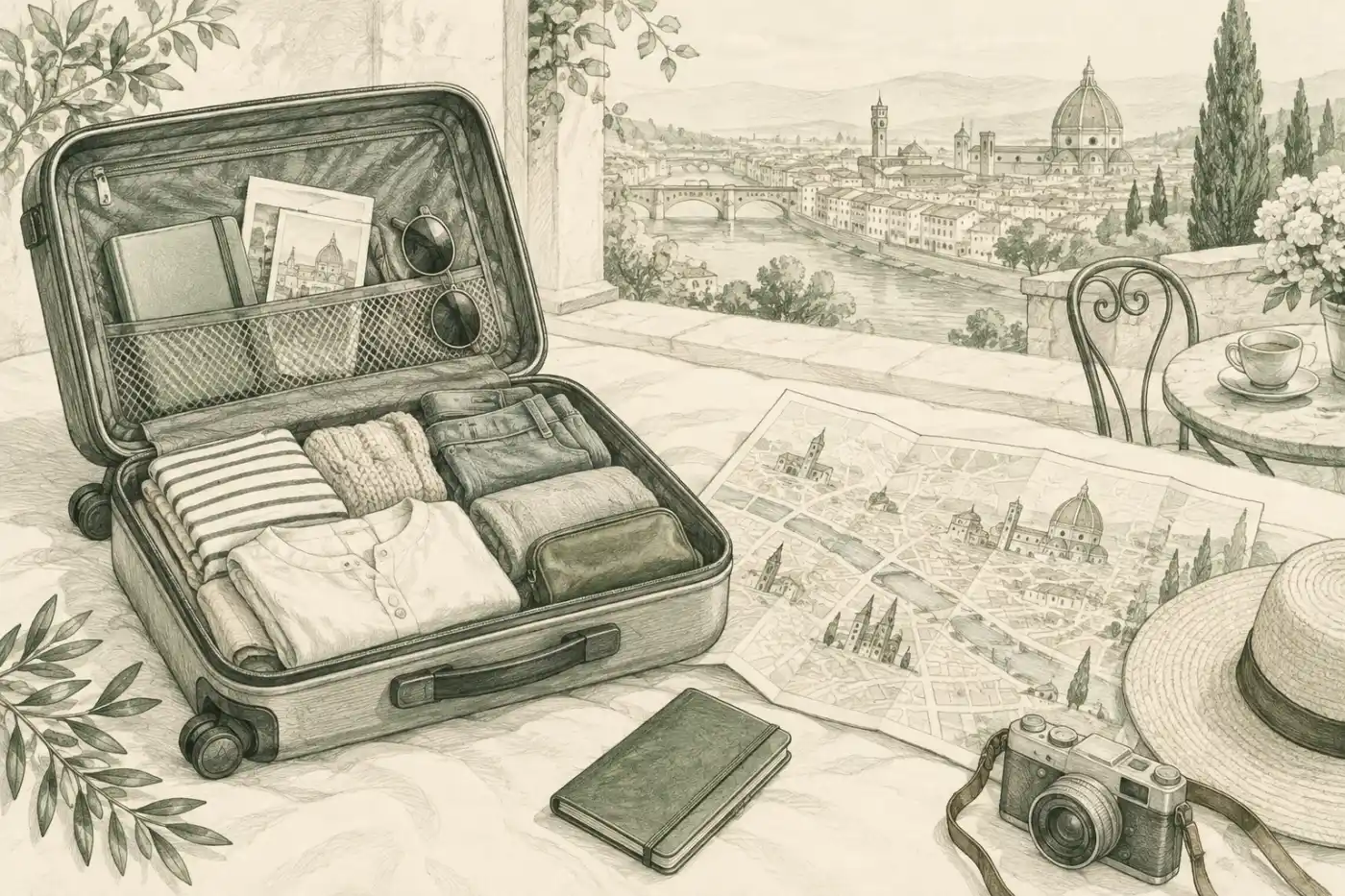
Build the bag around the itinerary
Start with the weather, the number of nights and the activities you have actually planned. A museum weekend, a walking-heavy city break and a business trip need different shoes and layers, even if they last the same number of days.
Choose one main outfit formula and make every item work with it. Neutral layers, comfortable shoes and one weatherproof outer layer usually create more combinations than a large collection of single-use clothes.
Check the fare rules before packing
Airlines and booking partners can define cabin-bag dimensions differently. Check the exact allowance on your booking rather than relying on a generic description of a personal item or cabin case.
Keep medication, documents, chargers and one essential change of clothes easy to reach. If checked luggage is delayed, these items keep the first day manageable.
Use a repeatable short-trip list
- Two or three tops that work with the same trousers or skirt.
- One comfortable walking shoe and one compact alternative only if necessary.
- A small wash kit that meets the applicable liquid rules.
- A light layer for evening, transport and air-conditioned interiors.
- A digital copy of bookings plus the airline or rail operator app.
Separate the personal item from the cabin bag
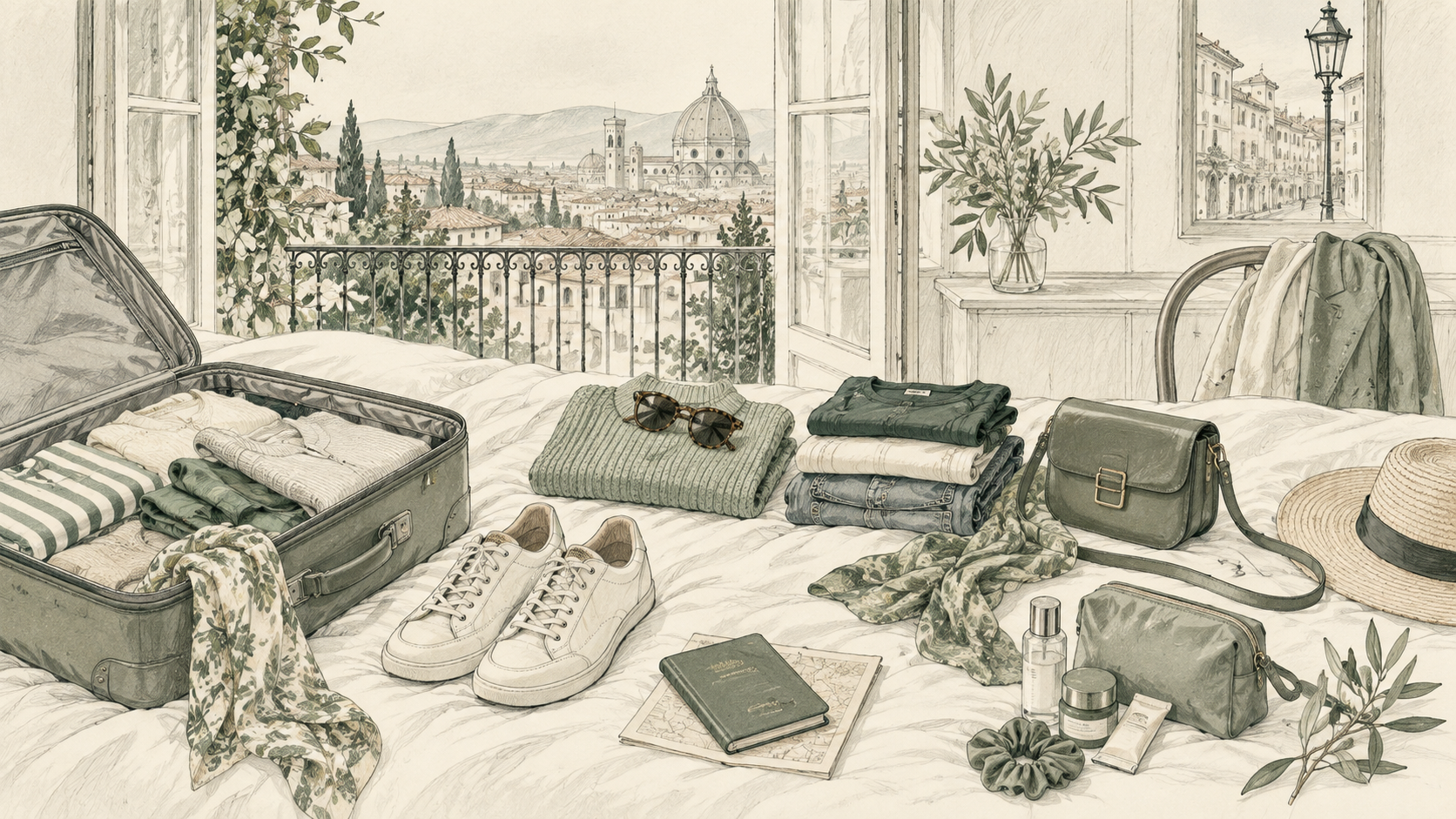
A personal item and a cabin bag are not always the same thing. Some fares include only a small bag that must fit under the seat, while others allow a larger case for the overhead locker. Before choosing what to pack, open the exact booking conditions for the airline and fare family. Check dimensions, weight, priority boarding and whether the allowance applies to every traveller on the booking.
Pack the item that stays with you around the most restrictive rule. A soft backpack can be easier to fit than a rigid case, but only if it remains within the published measurements when full. Do not plan around an allowance shown on a comparison page if the airline confirmation gives a different limit. A small fee or a forced gate check can remove the saving that made the fare attractive.
Choose a small wardrobe that works together
The most useful city-break wardrobe is built around combinations, not a separate outfit for every day. Start with one base colour, add two or three tops, and use one warm layer that works on the plane, outside and in cool interiors. This approach leaves room for weather changes without filling the bag with items that only match one other piece.
Shoes deserve an early decision because they take more space than almost anything else. Wear the heaviest comfortable pair in transit and pack a second pair only when the itinerary genuinely needs it. Break in walking shoes before the trip, and remember that cobblestones, hills and long station corridors are harder on feet than an ordinary commute.
Pack for the forecast and the city itself
Look at the forecast shortly before departure, but do not treat one temperature number as the whole answer. Wind, rain, humidity and long periods outdoors can make a light layer more useful than an extra shirt. A compact rain shell, scarf or foldable tote can be more valuable than a bulky item chosen for a single cold evening.
Match the bag to how the city will be explored. A museum-heavy itinerary may need a small notebook or a quieter pair of shoes, while a walking day calls for comfortable layers, a refillable bottle where permitted and protection from the sun. The goal is to remove friction from the day: everything you carry should have a clear job.
Keep liquids, medication and documents reachable
Put medication, identity documents, chargers and essential toiletries in one small pouch that can be reached without unpacking the whole bag. Follow the current security rules for liquids at your departure airport, because procedures and container requirements can differ. If you need prescription medicine, keep it in its original packaging and carry supporting information when it is relevant to your journey.
Save booking confirmations offline and keep the airline, rail operator and accommodation details available without a connection. A screenshot is useful when a station has poor signal, but it should not replace the original document when a carrier or border authority requires one. Store copies separately from the originals so a lost phone or wallet does not remove every way to retrieve the details.
Leave room for the first and last day
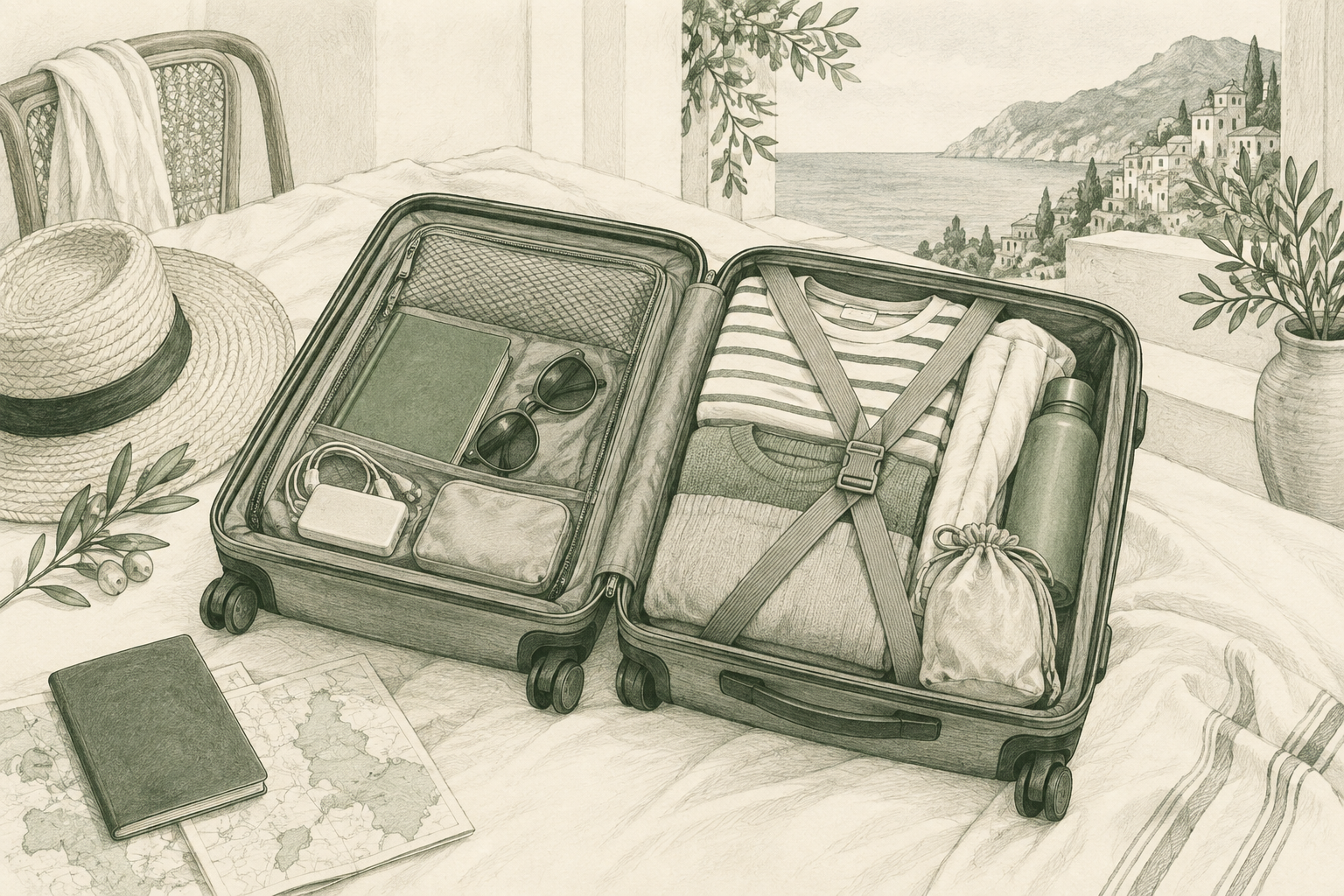
The first day often includes more movement than expected: a walk from a station, a change of transport, stairs, a hotel that is not ready yet and an unplanned stop for food. Pack one comfortable outfit and the basics you need before unpacking. Avoid putting every useful item at the bottom of the bag, especially if you may need to open it in a station or at accommodation reception.
Leave a little space rather than filling every corner. A city break can include a book, a small gift, local food or a wet layer that cannot be packed neatly on the way home. Packing cubes can separate categories, but they should not become a reason to carry more. A simple repeatable system is easier to maintain than a perfectly compressed bag.
Use a final ten-minute check
The night before travel, compare the packed bag with the itinerary rather than with a generic packing list. Confirm the departure time, the route to the airport or station, baggage allowance, weather and the opening hours of anything booked for the first morning. Remove duplicates and items that were added because they might be useful rather than because the plan requires them.
Weigh or measure the bag if the fare is strict, and check that zips close without pressure. Put the items needed at security or boarding in the same outer pocket every time. This last check is small, but it prevents the most common short-trip problems: a missing document, an overweight case, unsuitable shoes or a charger buried under clothes.
More travel notes
Continue planning with another practical guide.

Compare airport access, route choice, baggage rules and arrival time before choosing the cheapest-looking flight.
Read guide
Compare the practical differences between flying and taking the train, from departure access to arrival in central Paris.
Read guide
Understand the practical questions to check before travelling between European countries, without treating a general guide as personal immigration advice.
Read guide